Preparing for Your Procedure

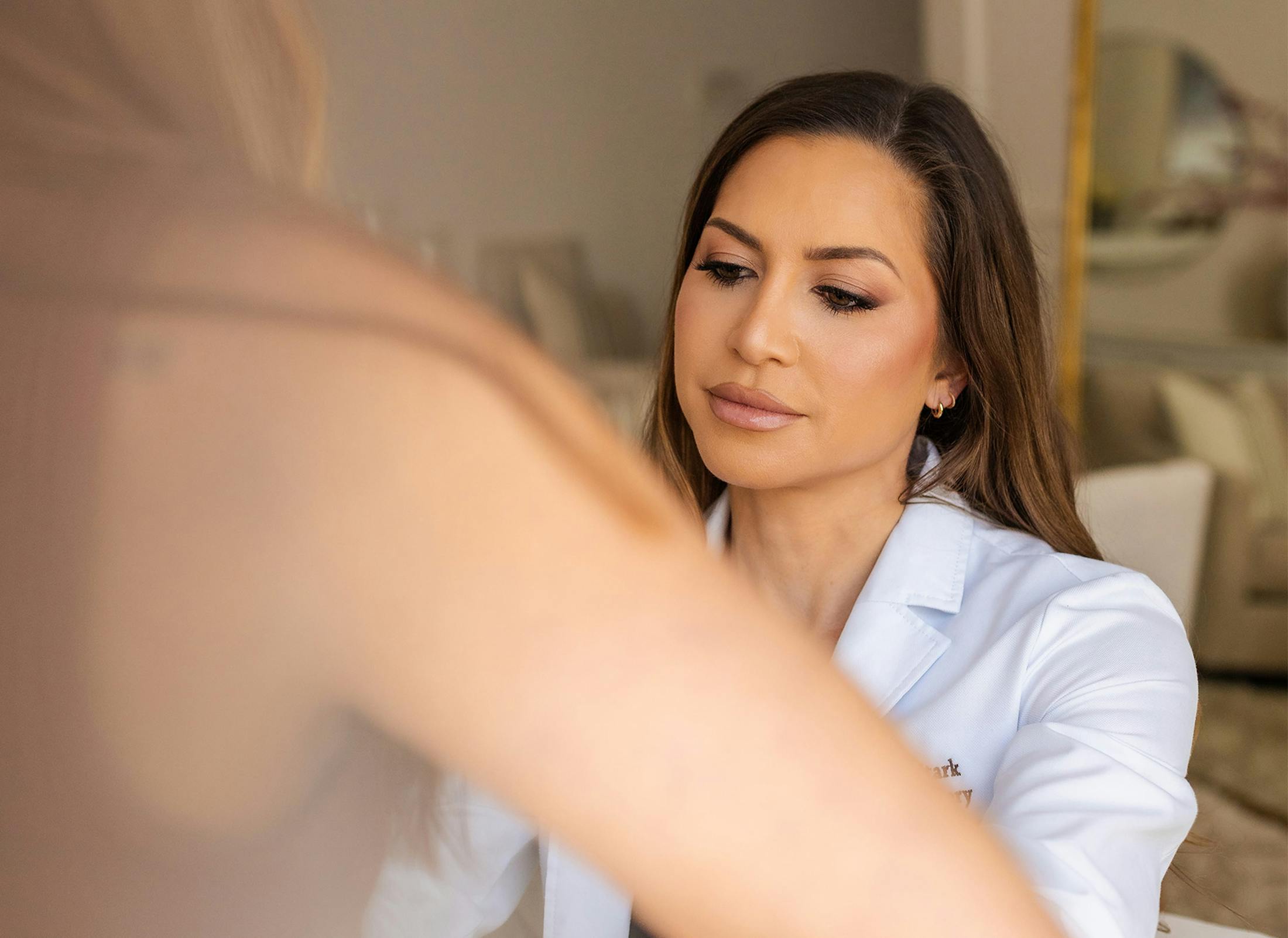
Intentional preparation ahead of your surgery helps the process go smoothly and facilitates your recovery. Dr. Stark will provide thorough education and communication during the pre-operative process to ensure you feel fully informed and confident before treatment. She’ll give individualized guidance tailored to your personal goals, medical history, and treatment plan.

General Pre-Operative Guidelines

Once Dr. Stark has built your customized surgical plan, she’ll pass on extensive pre-operative information to reduce the risk of surgical complications and support your healing.

Most pre-op guidelines will include the following general instructions:

  • Supplements to begin or stop taking
  • Lab work to complete
  • Medications to avoid
  • Fasting instructions for surgery day
  • Transportation needs to and from your surgery
  • No nicotine, (cigarettes, vaping) at least 4 weeks prior and postoperatively to avoid known risks to wound healing and increased risks of infection during the perioperative period
  • Use of GLP-1's must be withheld within 1 month of procedure
Banner media
Background media

Anesthesia Information

Your safety and comfort are our highest priorities. Procedures are performed with a board-certified anesthesiologist who closely monitors you before, during, and after surgery. You’ll receive specific instructions—including fasting after midnight—and may complete pre-operative testing. For full details on preparation, safety, and recovery, please review our anesthesia guide.

Background media

Medications to Avoid Before Surgery

Certain medications and supplements must be stopped before surgery to reduce the risk of bleeding and anesthesia complications. This may include aspirin, NSAIDs, herbal supplements, weight loss medications, blood thinners, and certain antidepressants. Only acetaminophen (Tylenol) is recommended unless otherwise directed. For a complete list and timing guidelines, please review our full medication instructions.

Background media

Medical Clearances

For many procedures, you’ll also need to complete laboratory testing or medical examinations before treatment. This helps Dr. Stark obtain a comprehensive picture of your baseline health and confirms that your chosen surgery can be performed safely and effectively. Dr. Stark will coordinate with her team, third-party labs, and your primary care physician to ensure all requirements are met before surgery day. 

sheer cloth

Lifestyle Preparation

Your lifestyle choices significantly impact your recovery timelines and outcomes for your plastic surgery.

Patients may be advised to stop drinking alcohol and cease other activities, including smoking and nicotine use, well in advance of their procedure. Dr. Stark will outline guidelines for diet, hydration, exercise, and sleep to support your recovery further.


Banner media

Preparing Your Home

Most surgical procedures require at least one to two weeks of downtime at home, so preparing your space ahead of time can help minimize stress during the recovery period.

Every patient’s space will look different, but you can prepare by taking the following steps: 

  • Setting up a recovery area in your main rooms
  • Stocking easy-to-prepare meals or arranging meal support
  • Confirming childcare or pet care
  • Filling prescriptions in advance
  • Preparing comfortable, loose clothing
  • Hosting friends and family at home for post-operative support 

Mental Preparation

Mental readiness is just as important as physical preparation, whether that’s in terms of patient education or being emotionally prepared for your physical transformation. Dr. Stark will ensure you have all of the educational materials you need to feel fully informed and ready for the post-operative period. All patients are encouraged to ask questions and maintain open communication at every step, and having a support system at home can help you transition through this process.

Background media

Your Surgery Timeline

Every procedure has a slightly different preparation timeline, but you’ll likely complete the necessary pre-op steps in four to six weeks.

Dr. Stark will provide you with a clear schedule of pre-op appointments, necessary medical clearances, and day-of instructions. You’ll know what to expect and when at every stage.

Banner media
Doctor media

The Dr. Stark Difference

Choosing your plastic surgeon is an important decision, and you deserve a provider who takes your safety and education seriously. Dr. Stark is a board-certified plastic and reconstructive surgeon with extensive surgical education and experience. Her work is marked by precise techniques, meticulous planning, and high-touch patient care.

In her youth, Dr. Stark received classical art training in sculpting, painting, and drawing. Her study of form, light, and shape refined her aesthetic judgment, enabling her to create symmetry and balance in the human body. She prioritizes natural-looking, safe outcomes and never suggests change for the sake of change or unnecessary procedures.

Background media

Pre-Operation Care Frequently Asked Questions

How far in advance of my surgery will I receive pre-operative instructions?

Most patients in Westlake Village and Thousand Oaks will receive detailed pre-operative care guidance at least six weeks ahead of their procedure. For non-surgical treatments, you may receive instructions within two to four weeks of your treatment.

Does someone need to accompany me on the day of my surgery?

Yes. Most patients will need a trusted friend, partner, or family member to drive them home after their procedure and stay with them for the first 24 hours.

Can my surgery proceed as planned if I get sick during the pre-operative period?

If you feel unwell or contract an illness before surgery, please contact Dr. Stark immediately after visiting an urgent care facility or your primary care physician. She’ll determine the safest next steps, which may include delaying your surgery.

What should I wear on the day of surgery?

Wear loose, comfortable clothing that is easy to put on and remove, as you will be given a medical gown to wear during your procedure. Button-front or zip-front tops are recommended, and it's best to avoid anything too tight at your treatment site.

Contact us media
Accessibility: If you are vision-impaired or have some other impairment covered by the Americans with Disabilities Act or a similar law, and you wish to discuss potential accommodations related to using this website, please contact our Accessibility Manager at (805) 261-4944.
Contact Us