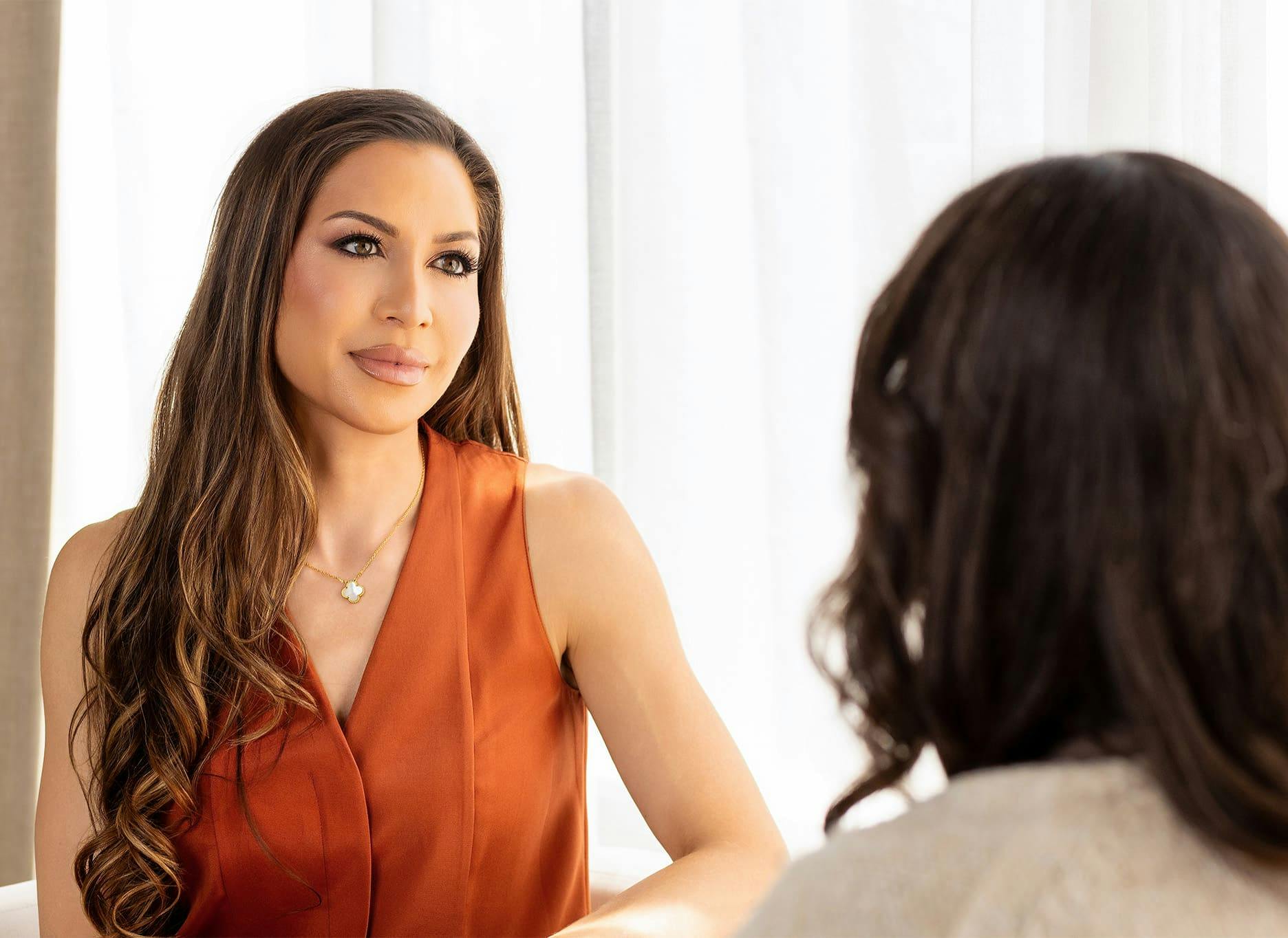
Healing With Careful Guidance, Support, and Intention

Your recovery is crucial to maintaining the results of your cosmetic surgery. By taking a slow, supportive approach to recovery, you can reduce your stress and give your body the rest it needs to heal. Dr. Stark’s post-operative care is built on comfort, education, and individualized healing, and she’ll provide the guidance you need to take care of your body.

General Recovery Guidelines

Every patient’s recovery will look different depending on their chosen procedure, medical history, and response to treatment. However, what remains the same is that post-operative care begins the moment your surgery is complete.

Dr. Stark will personally monitor your recovery immediately after your procedure, and will share personalized aftercare instructions once you’re awake and ready to head home. 

General recovery guidelines include the following basic principles:

  • Taking prescribed medications as directed
  • Staying hydrated and following nutritional guidelines
  • Wearing compression garments or protective clothing and eyewear 
  • Following incision care guidelines a directed
  • Resting and limiting movement during early recovery 
Banner media

Procedure-Specific Post-Operative Guides

While general recovery principles apply to all procedures, each surgery has its own unique healing process. Dr. Stark provides detailed, procedure-specific instructions to help you feel prepared and supported at every stage.

For your convenience, you can access downloadable post-operative care guides below:

These guides include detailed timelines, activity restrictions, and care instructions tailored to your procedure. Please refer to your specific guide for the most accurate recovery information.

Immediate Post-Operative Care

The first week after your surgery typically includes mandatory rest and downtime at home. Swelling, bruising, soreness, and tenderness are normal during this period and can be managed with over-the-counter painkillers if deemed appropriate by Dr. Stark. You may receive specific instructions on body positioning to keep pressure off the treatment area and support your recovery.

You’ll need to clean your incisions and replace bandages regularly. Dr. Stark will provide clear instructions and medical materials to ensure this task is completed safely and effectively.

Background media

Activity Limitations

Movement restrictions are a vital part of healing and help prevent additional injuries and incision irritation. Most patients are able to resume light walking and movement early on in their recovery to support circulation, but strenuous exercise will be limited for many weeks post-op. Dr. Stark will clear you for more impactful exercise as you heal and reach key recovery milestones.


Banner media

Scar Care 

Once your incisions have healed, Dr. Stark will provide instructions on proper scar care to help minimize their visibility over time. 

She’ll advise you on sun exposure limitations, recommended moisturizers, and any topical treatments that can aid in scar fading.

Warning Signs

While swelling, discomfort, and bruising are all expected during recovery, certain symptoms can be signs of infection or other complications. Contact Dr. Stark immediately if you experience unusual pain, increasing redness, swelling that does not go away, wound drainage, or a fever. She’ll advise the proper next steps.

leaves

Follow-Up Schedule

Dr. Stark is dedicated to providing personalized care from consultation to final check-in. You’ll return to her Westlake Village and Thousand Oaks practice multiple times in the months after your surgery for follow-up appointments. Dr. Stark will review your healing progress, monitor side effects for improvement, and answer any questions you may have.

Banner media

Long-Term Maintenance and Emotional Recovery

Undergoing plastic surgery comes with an emotional transformation as well as a physical one. It takes time for swelling to subside and your final results to appear, and this process may be accompanied by emotional ups and downs.

Dr. Stark’s approach emphasizes patience, education, and realistic expectations to help you feel like yourself again. Maintaining your results long-term may require certain lifestyle changes, depending on your procedure.

Implementing a modified exercise regimen, adhering to a nutritious diet, using targeted skincare products, and establishing healthy sleep habits can support long-lasting results. Additionally, non-surgical treatments can enhance your outcome and help you feel confident for years to come.

Background media

Post-Operation Care Frequently Asked Questions

How long does swelling last after surgery?

Swelling varies by procedure and can be impacted by your unique medical history and response to treatment. Most patients in Westlake Village and Thousand Oaks notice the majority of their swelling fade within four to six weeks, with residual swelling dissipating over the following months.

When can I bathe after surgery?

Dr. Stark will provide clear bathing guidance when she reviews your post-operative instructions. You may be limited to short showers or sponge baths directly after surgery to ensure your incisions are protected.

Is itching normal during healing?

Yes. Mild itching is normal as incisions heal, but you should refrain from touching your wound. Dr. Stark can recommend safe ways to manage discomfort, including medicated ointments or moisturizers.

When can I resume driving after surgery?

Most patients are able to drive once they have stopped taking prescription pain medication and can comfortably sit in the driver’s seat without strain. You will need a trusted friend, partner, or family member to drive you to and from your surgery and first follow-up appointment.

Contact us media
Accessibility: If you are vision-impaired or have some other impairment covered by the Americans with Disabilities Act or a similar law, and you wish to discuss potential accommodations related to using this website, please contact our Accessibility Manager at (805) 261-4944.
Contact Us